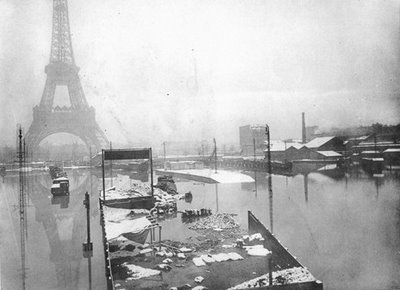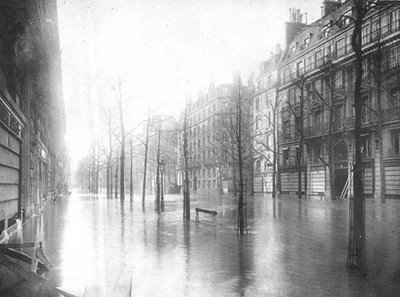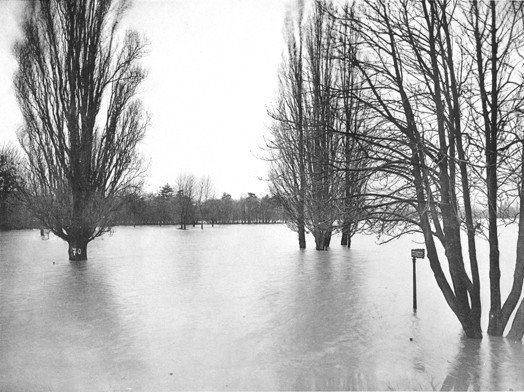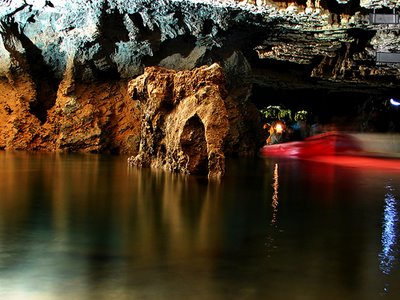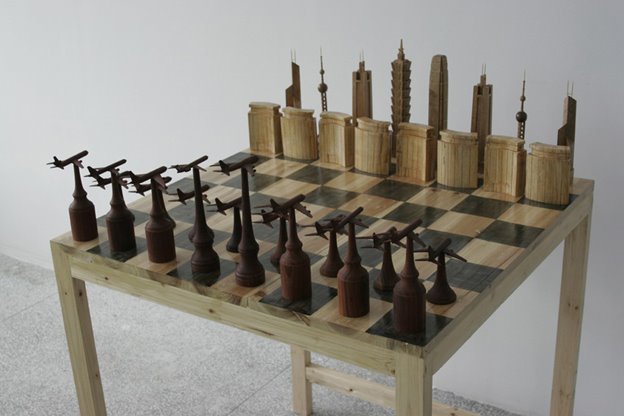
Chess Set Installation, 2006
Chen Shaoxiong
Found in this MoonRiver post on contemporary Chinese art and artists.
Also loving Horizons, by Sze Tsung Leong

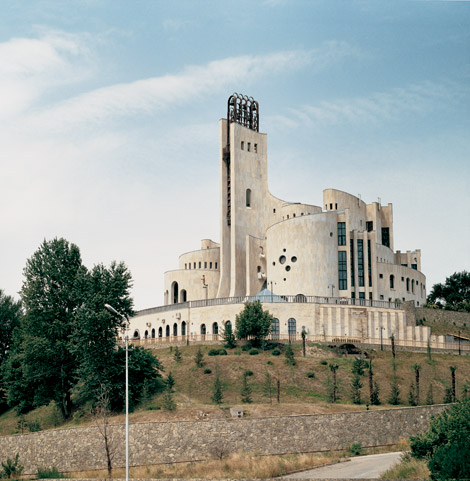


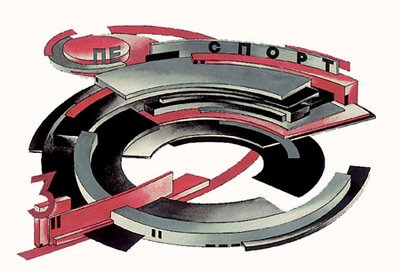
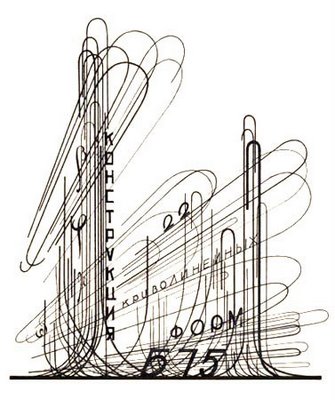
Last month, PingMag ran a short interview with photographer Frederic Chaubin. Chaubin has spent the last several years documenting Soviet-era architecture in post-Soviet nations, with a focus on the odd, the unique, and the eccentric.


The name Jorge Luis Borges springs to mind...From the Farm Security Administration-Office of War Information Collection, Library of Congress, a scene from a “camouflage class in New York University, where men and women are preparing for jobs in the Army or in industry.”


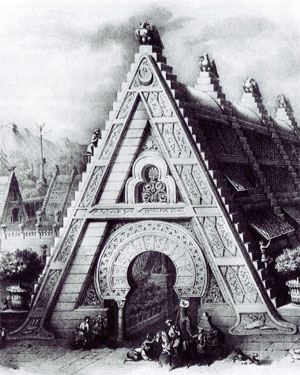


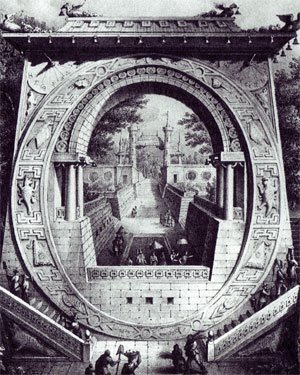
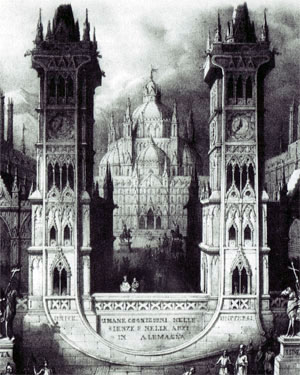
In Bologna, in 1839, the decorative artist Antonio Basoli published his Alfabeto Pittorico, ossia raccolta di pensieri pittorici composti di oggetti comincianti dalle singole lettere alfabetiche (‘Pictorial Alphabet, or, a collection of pictorial thoughts composed of objects beginning with the individual letters of the alphabet’). This was an album of twenty-five elaborate lithographs, each one featuring an alphabetical character cast in some fantastic architectural form, in a setting contrived to illustrate any number of figures and objects for which there were Italian words beginning with that same letter. A commentary in Italian and French explained the contents of the plates. [Above] are details from the lithographs representing the five vowels from this alphabet.
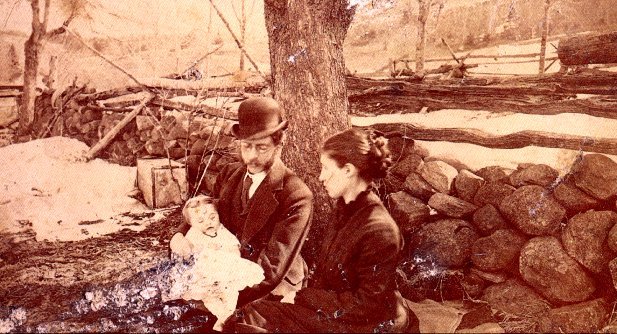
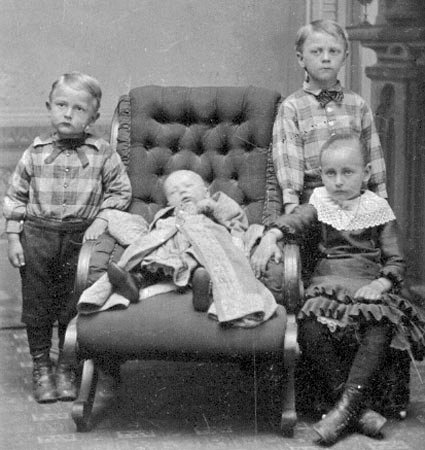

Photographs of a deceased loved one served as substitutes and reminders of the loss. Families who could not afford to commission painted portraits could arrange for a photograph to be taken cheaply and quickly after a death. This was especially important where no photograph already existed. The invention of the Carte de Visite, which enabled multiple prints to be made from a single negative, meant that images could be sent to distant relatives. The deceased was commonly represented as though they were peacefully sleeping rather than dead, although at other times the body was posed to look alive.

Take a panographic tour of St. Augustine Church in the Philippines, one of the better examples of Earthquake Baroque. More about the church here and here. Meanwhile, we're hoping to stumble upon some examples of Tsunami Baroque, Hurricane Baroque, and even Avalanche Baroque, those mind-bogglingly beautiful fusions of landscape and architecture.
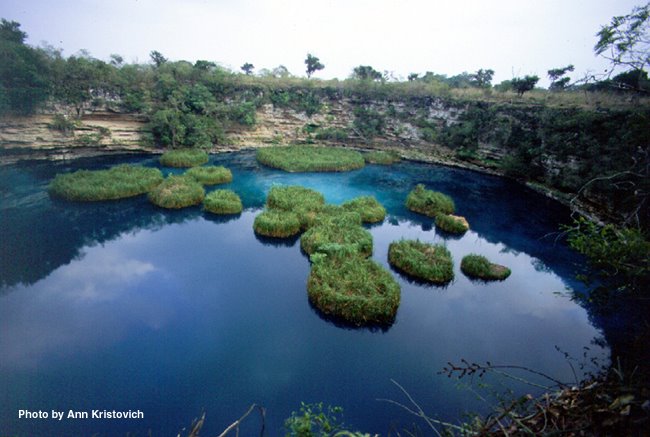
In 1795, Félix María Calleja, viceroy of New Spain, wrote: “there is a large cave lit by natural skylight; and 200 varas from this cave there is a deep cavity that has a lake with an island.” The lake he was referring to was the Zacatón cenote which, in fact, contains fifteen islands. However this detail may have been overlooked by Calleja because he may not have realised that the islands actually move about quite freely upon the surface of the rock pool.
The islands are made from lush mats of reeds which, in the absence of any current in the water, are propelled solely by the power of the wind. They are roughly circular in shape and have steep sides from regularly bouncing off the sheer walls of the cenote (and off one another) . Their vary in size from 3 metres to 10 metres in diameter.
This Youtube video, titled China 1972 — a Visual Memoir, was uploaded by Kevin Murphy who accompanied his father as part of the Canadian Government's first trade exposition in Beijing, held in the second two weeks of August 1972.